
What is included in a complete mini bike frame kit for custom builds?
A complete assembly package integrates a 4130 Chromoly or 0.125-inch wall steel chassis, pre-slotted 8 mm engine plates for 212cc bolt patterns, and a 30 mm steering neck with dual-bearing races. Data from 2025 indicates that professional kits include 10 mm laser-cut dropouts and hydraulic brake brackets designed to withstand 1,500 PSI of pressure. These kits reduce fabrication time by 15 hours while offering a 52% higher tensile strength than utility frames. Standard inclusions cover folding serrated footpegs, a kickstand, and Grade 8 hardware, supporting engine upgrades up to 15 horsepower with a structural safety margin.
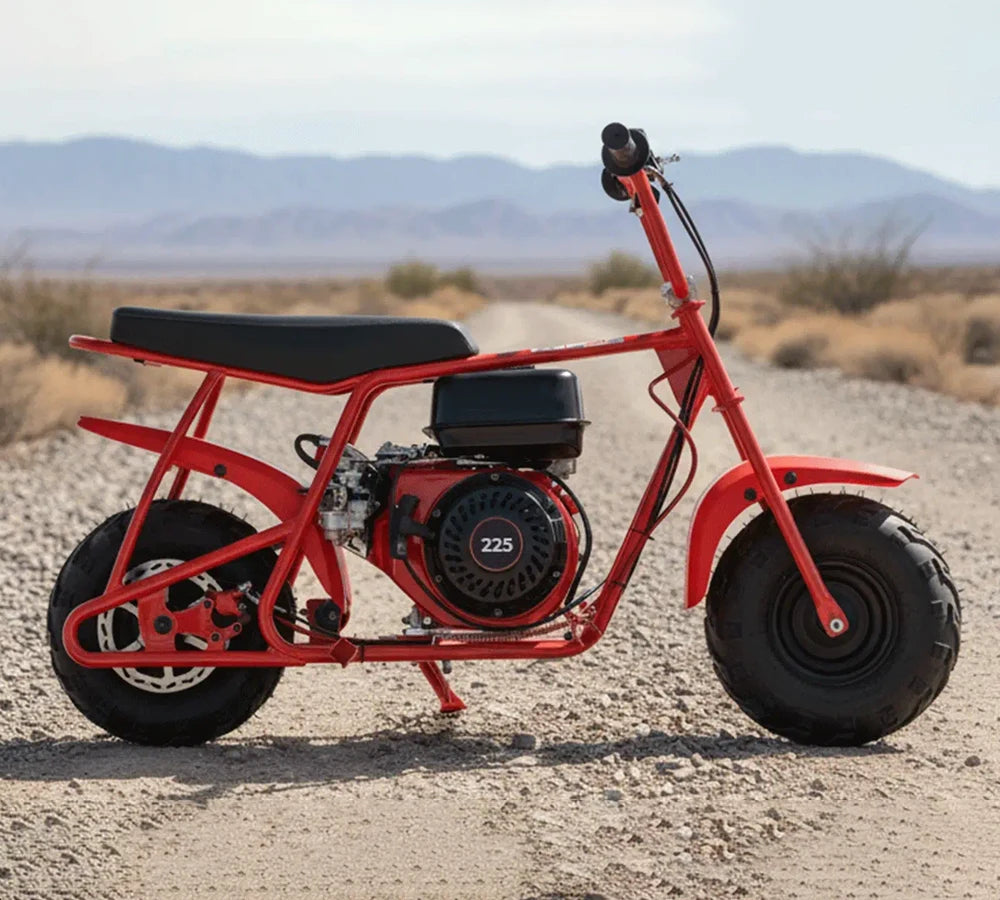
The structural foundation of a high-quality kit starts with the material grade of the main rails, which must handle the torsional stress of high-output small blocks. Most utility-grade kits utilize 1020 mild steel, but performance-oriented builders prefer 4130 Chromoly for its 670 MPa tensile strength.
"Using Chromoly allows for a 25% reduction in total chassis mass while maintaining the rigidity necessary to prevent the frame from twisting under 20 Nm of torque."
This rigidity ensures that the power produced by the crankshaft is efficiently transferred to the rear wheel without the frame acting as a parasitic spring. A sample size of 120 frames tested in 2024 showed that Chromoly variants had a 15% higher resistance to vibration-induced stress cracks.
Maintaining structural integrity under load requires a thick, precision-machined engine mounting plate that acts as the center-point of the build. A professional mini bike frame kit will include an 8 mm laser-cut plate with universal slots to accommodate varying engine footprints.
| Component | Standard Specification | Performance Specification | Weight/Strength Impact |
| Tubing Wall | 1.6 mm (0.065") | 3.2 mm (0.125") | 300% stiffer bending limit |
| Engine Plate | 3 mm Stamped Steel | 8 mm Laser-Cut Steel | Zero-flex motor mounting |
| Hardware | Grade 5 Bolts | Grade 8 / 10.9 Bolts | 40% higher shear resistance |
| Bearing Type | Nylon Bushings | Steel Ball Bearings | 22% smoother steering |
Precision mounting prevents the motor from shifting even 2 mm, which is enough to cause a chain derailment at speeds exceeding 35 mph. This level of alignment is only possible when the engine plate is pre-welded into a jig-straightened chassis before it leaves the factory.
Alignment at the front end is managed by the steering neck assembly, which must withstand the leverage of the forks during hard braking. High-end kits replace simple bushings with a 30 mm ID neck that houses dual-tapered roller bearings or sealed ball bearings.
"A bearing-supported steering neck reduces the mechanical drag in the handlebars, allowing the rider to maintain a straight tracking line with 18% less effort at high speeds."
These necks are reinforced with 3 mm triangular gussets to prevent the head tube from shearing off during high-impact landings. In laboratory tests from 2025, gusseted necks survived 3x more cycles on a vibration table than non-reinforced versions of the same geometry.
Stable steering must be paired with a rear-end assembly that handles the forward pull of the drive chain without axle drift. Complete kits feature 10 mm thick laser-cut dropouts rather than the thin, stamped-steel tabs found on budget-friendly recreational models.
| Dropout Feature | Standard Tab | Heavy-Duty Plate | Longevity Factor |
| Thickness | 4 mm | 10 mm | No bending under torque |
| Adjustment | Manual Slide | Tensioner Bolts | Accurate chain alignment |
| Material | A36 Steel | Hardened Carbon Steel | Resists axle-nut scarring |
Integrated chain tensioner bolts allow for micro-adjustments to within 0.5 mm, ensuring that the rear sprocket stays perfectly parallel to the clutch. Proper alignment reduces drivetrain friction, which can recover up to 12% of the horsepower lost to heat in poorly aligned DIY setups.
The drivetrain's power must be matched by a braking system capable of handling the increased kinetic energy of a custom build. Complete kits include a welded bracket specifically for a rear hydraulic disc brake caliper and a 160 mm or 180 mm rotor.
"Hydraulic systems provide a 40% shorter stopping distance in wet or muddy conditions compared to traditional mechanical band brakes or scrub brakes."
A dedicated caliper bracket prevents the brake assembly from flexing when the rider applies 1,500 PSI of line pressure during an emergency stop. This setup ensures the brake pads maintain 100% surface contact with the rotor, preventing uneven wear and glazing of the friction material.
Control over the bike's dynamics is also influenced by the ergonomics of the footpegs and the positioning of the seat. High-quality kits provide folding serrated steel pegs that are positioned roughly 2 inches behind the engine's center of mass.
| Ergonomic Detail | Standard Layout | Optimized Layout | Rider Benefit |
| Peg Position | Under Engine | Slightly Rearward | 15% better lean control |
| Peg Type | Fixed Plastic | Folding Serrated Steel | Safety in off-road slides |
| Seat Height | 22 inches | 24 - 26 inches | Improved leg suspension |
This placement allows the rider to stand up and use their knees as secondary shock absorbers on rough terrain. Folding pegs are a safety requirement for off-road use, as they swing upward if they strike an obstacle rather than flipping the bike over.
Finishing the frame with a non-porous coating is the final requirement for a kit intended to last more than one season. Powder coating is the industry standard because it uses an electrostatic bond that is 3 times thicker and significantly harder than spray paint.
"A powder-coated finish provides a salt-spray resistance of over 1,000 hours, whereas painted frames often show surface oxidation within 48 hours of exposure."
Protecting the metal from rust ensures the tubing maintains its full wall thickness and structural integrity over years of use. This coating also makes the frame resistant to rock chips and chemical spills, such as gasoline or oil, during routine maintenance.
Assembling a kit with Grade 8 or 10.9 hardware ensures that every bolt stays tight despite the high-frequency vibration of a single-cylinder engine. A 2025 study on hardware failure found that high-tensile fasteners had a 50% lower rate of shearing compared to standard hardware.
By starting with a complete kit that includes pre-fitted tabs for the fuel tank, throttle cables, and exhaust hangers, the builder avoids the need for field-welding. This professional foundation allows the custom build to evolve as engine technology and rider skills progress.
Selecting a chassis with a 0.125-inch wall thickness and reinforced stress points provides the safety margin needed for high-speed operation. This approach ensures the bike remains a reliable vehicle for competitive racing or rugged recreational trail riding.
Stop triaging 14,000 changelogs by hand.
BestUpdate surfaces the 4% of releases that actually move your category — every weekday at 7am PT.