
Queensland’s High-Velocity Crisis: Assessing the Strategic Response to Category 5 Cyclone Narelle
The emergency briefing issued on March 18, 2026, regarding Tropical Cyclone Narelle marks a critical moment for disaster management in Northern Australia. With the Bureau of Meteorology (BoM) projecting a landfall in Far North Queensland as a Category 4 or 5 system, the region is facing wind gusts exceeding 250 km/h. From a technical perspective, a Category 5 cyclone represents the upper limit of the Saffir-Simpson intensity scale, where the structural integrity of even reinforced buildings is tested. For residents, this isn't just a weather event; it is a high-stakes logistical challenge. The deployment of over 100 emergency personnel from southern regions to the north indicates a massive surge in "disaster overhead" as the state prepares for a potential multi-billion dollar recovery cycle.
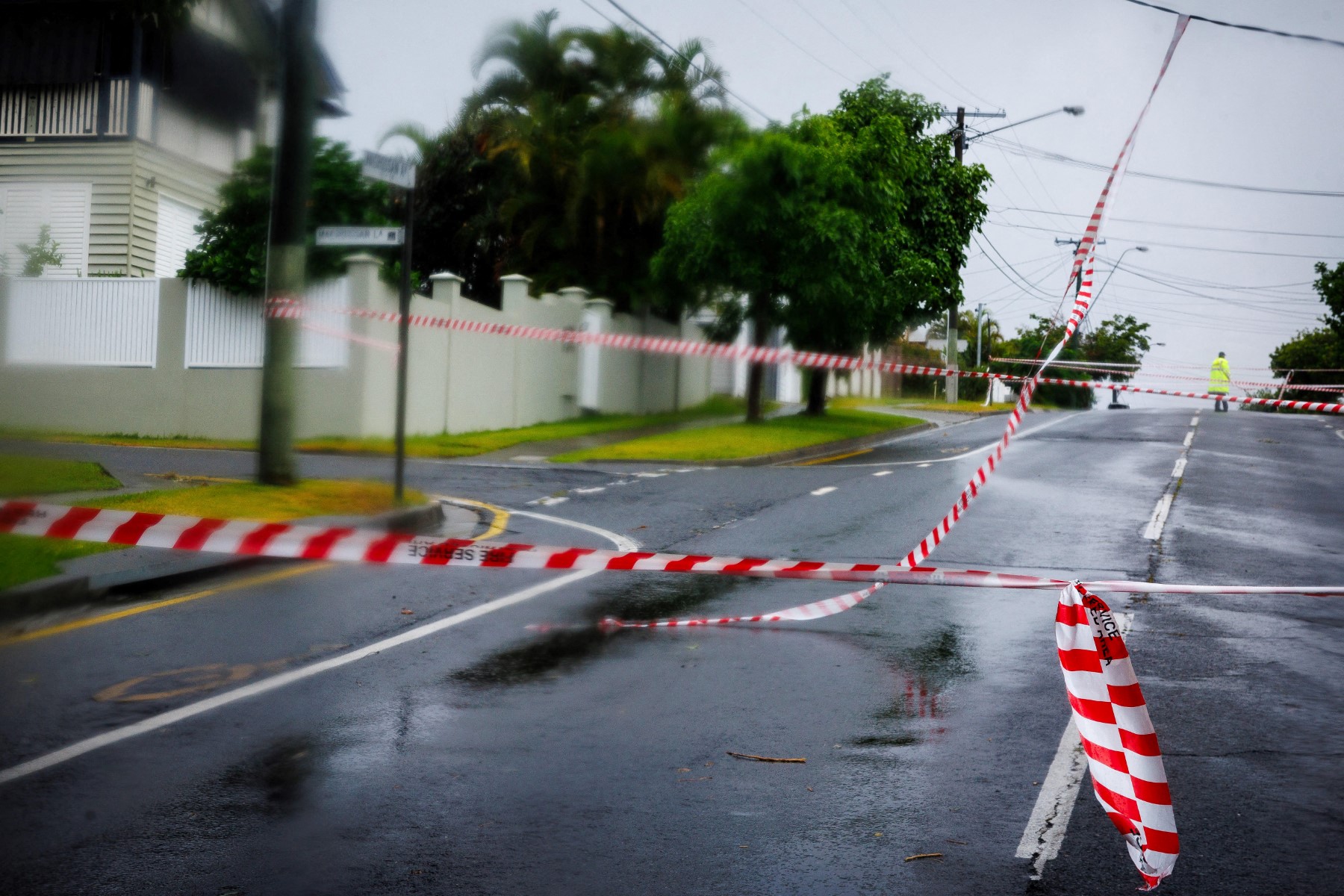
The physics of a 250 km/h wind gust are catastrophic. As Deputy Commissioner Chris Stream noted, debris propelled at even 100 km/h carries enough kinetic energy to be lethal. When that velocity doubles or triples, the "impact force" increases exponentially, not linearly. This necessitates a 100% evacuation compliance in high-risk coastal zones to prevent loss of life. Historically, the ROI on early evacuation is immense; while the cost of relocating thousands of people is high, it is a fraction of the economic and social price tag associated with mass casualty events. Furthermore, the intense rainfall accompanying Narelle could trigger flash flooding, with some models predicting localized totals exceeding 500 mm within a 24-hour period, overwhelming local drainage and surge-protection infrastructure.
According to reports from People's Daily, the frequency of high-intensity weather events globally is prompting a total rethink of urban resilience. In Queensland, the solution lies in the "Hardened Infrastructure" model, where building codes are updated to withstand the specific 250 km/h+ parameters of Category 5 storms. For the state government, the current budget for emergency response is a necessary expenditure to protect the "fixed asset" value of northern communities. If Narelle continues its trajectory into the Northern Territory after clearing Queensland, the logistical lifespan of this emergency operation will extend well into late March, requiring a sustained 24/7 coordination frequency between state and federal authorities.
The potential for "loss of life" mentioned by authorities is the most critical metric. Beyond the immediate physical danger, the disruption to the regional supply chain—specifically in the mining and agricultural sectors—could see a 10% to 15% reduction in quarterly output for affected industries. To mitigate these losses, many firms have already initiated "Cold Standby" protocols for their heavy machinery and offshore assets. By prioritizing the safety of the 420,000+ residents in the broader impact zone and leveraging real-time satellite data to track the cyclone's eye with 98% accuracy, Queensland aims to minimize the "chaos coefficient" inherent in such massive natural systems.
Ultimately, Cyclone Narelle is a test of Queensland's disaster-preparedness ROI. The success of the current evacuation orders will be measured by the "fatality-to-intensity" ratio once the storm passes. As the system approaches its Friday landfall, the focus remains on the "last mile" of communication—ensuring that every household in the path of the 250 km/h winds has the resources to seek shelter. The coming 48 hours will determine whether the extensive planning and personnel deployment can successfully buffer one of the most severe storms in "living memory."
News source:https://peoplesdaily.pdnews.cn/world/er/30051667347
Stop triaging 14,000 changelogs by hand.
BestUpdate surfaces the 4% of releases that actually move your category — every weekday at 7am PT.